 Rainline Garden
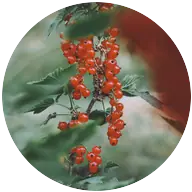
When to plant currants in Oregon and Washington
In Portland: Plant currant bushes Mar 1 – Apr 26. In Bend: Apr 28 – Jun 23. Find your city below.
- Difficulty
- Easy
- Sun
- Full sun west of the Cascades; afternoon shade east
- Spacing
- 4 to 5 feet apart
- Planting depth
- An inch or two deeper than in the pot
- Frost
- Hardy perennial; comes back every year
- First harvest
- A small crop in year two; full crops from year three
Red, white and black currants are among the few fruits that crop in part shade. Pick black currant varieties resistant to white pine blister rust, a disease they can spread to five-needle pines.
Currants planting dates
| City | Plant in the garden |
|---|---|
| Portland, OR | Mar 1 – Apr 26 |
| Seattle and Tacoma, WA | Mar 1 – Apr 26 |
| Eugene, OR | Mar 1 – Apr 26 |
| Spokane, WA | Apr 1 – May 27 |
| Bend and Redmond, OR | Apr 28 – Jun 23 |
| Tri-Cities (Pasco, Kennewick, Richland), WA | Mar 20 – May 15 |
Find your town
Portland area, OR 6 towns
| City | Plant in the garden |
|---|---|
| Gresham, OR | Mar 1 – Apr 26 |
| Hillsboro and Beaverton, OR | Mar 5 – Apr 30 |
| Oregon City and West Linn, OR | Mar 1 – Apr 26 |
| Portland, OR | Mar 1 – Apr 26 |
| St. Helens and Scappoose, OR | Mar 1 – Apr 26 |
| Wilsonville and Canby, OR | Mar 1 – Apr 26 |
Willamette Valley, OR 5 towns
| City | Plant in the garden |
|---|---|
| Corvallis and Albany, OR | Mar 1 – Apr 26 |
| Cottage Grove, OR | Mar 13 – May 8 |
| Eugene, OR | Mar 1 – Apr 26 |
| McMinnville and Newberg, OR | Mar 4 – Apr 29 |
| Salem, OR | Mar 1 – Apr 26 |
Southern Oregon, OR 4 towns
| City | Plant in the garden |
|---|---|
| Ashland and Talent, OR | Mar 25 – May 20 |
| Grants Pass, OR | Mar 1 – Apr 26 |
| Medford, OR | Mar 1 – Apr 26 |
| Roseburg, OR | Mar 1 – Apr 26 |
Oregon Coast, OR 5 towns
| City | Plant in the garden |
|---|---|
| Astoria, OR | Mar 25 – May 20 |
| Brookings and Gold Beach, OR | Mar 25 – May 20 |
| Coos Bay and North Bend, OR | Mar 25 – May 20 |
| Newport and Lincoln City, OR | Mar 25 – May 20 |
| Tillamook, OR | Mar 25 – May 20 |
Central Oregon and the high desert, OR 6 towns
| City | Plant in the garden |
|---|---|
| Bend and Redmond, OR | Apr 28 – Jun 23 |
| Burns, OR | Apr 30 – Jun 25 |
| Klamath Falls, OR | Apr 28 – Jun 23 |
| Lakeview, OR | Apr 23 – Jun 18 |
| Madras, OR | Apr 20 – Jun 15 |
| Prineville, OR | Apr 20 – Jun 15 |
Columbia Gorge and eastern Oregon, OR 9 towns
| City | Plant in the garden |
|---|---|
| Baker City, OR | Apr 20 – Jun 15 |
| Enterprise and Joseph, OR | Apr 20 – Jun 15 |
| Hermiston, OR | Mar 20 – May 15 |
| Hood River, OR | Mar 20 – May 15 |
| John Day, OR | Apr 20 – Jun 15 |
| La Grande, OR | Apr 1 – May 27 |
| Ontario, OR | Mar 20 – May 15 |
| Pendleton, OR | Mar 20 – May 15 |
| The Dalles, OR | Mar 20 – May 15 |
Seattle and Puget Sound, WA 6 towns
| City | Plant in the garden |
|---|---|
| Bremerton and Port Orchard, WA | Mar 1 – Apr 26 |
| Everett, WA | Mar 1 – Apr 26 |
| Kent, Renton and Auburn, WA | Mar 1 – Apr 26 |
| Olympia, WA | Mar 18 – May 13 |
| Seattle and Tacoma, WA | Mar 1 – Apr 26 |
| Shelton, WA | Mar 16 – May 11 |
North Sound and the islands, WA 5 towns
| City | Plant in the garden |
|---|---|
| Anacortes, WA | Mar 1 – Apr 26 |
| Bellingham, WA | Mar 1 – Apr 26 |
| Friday Harbor and the San Juans, WA | Mar 1 – Apr 26 |
| Mount Vernon and Burlington, WA | Mar 1 – Apr 26 |
| Oak Harbor and Whidbey Island, WA | Mar 1 – Apr 26 |
Olympic Peninsula and coast, WA 6 towns
| City | Plant in the garden |
|---|---|
| Aberdeen and Hoquiam, WA | Mar 25 – May 20 |
| Forks, WA | Mar 25 – May 20 |
| Long Beach and Ilwaco, WA | Mar 25 – May 20 |
| Port Angeles, WA | Mar 1 – Apr 26 |
| Port Townsend, WA | Mar 1 – Apr 26 |
| Sequim, WA | Mar 10 – May 5 |
Southwest Washington, WA 3 towns
| City | Plant in the garden |
|---|---|
| Centralia and Chehalis, WA | Mar 11 – May 6 |
| Longview and Kelso, WA | Mar 1 – Apr 26 |
| Vancouver, WA | Mar 1 – Apr 26 |
Wenatchee and the Okanogan, WA 5 towns
| City | Plant in the garden |
|---|---|
| Chelan, WA | Mar 20 – May 15 |
| Leavenworth, WA | Apr 1 – May 27 |
| Omak and Okanogan, WA | Apr 1 – May 27 |
| Wenatchee, WA | Mar 20 – May 15 |
| Winthrop and Twisp, WA | Apr 3 – May 29 |
Yakima Valley and Columbia Basin, WA 8 towns
| City | Plant in the garden |
|---|---|
| Ellensburg, WA | Apr 1 – May 27 |
| Ephrata and Quincy, WA | Mar 20 – May 15 |
| Goldendale, WA | Apr 7 – Jun 2 |
| Moses Lake, WA | Mar 20 – May 15 |
| Sunnyside, Grandview and Prosser, WA | Mar 20 – May 15 |
| Tri-Cities (Pasco, Kennewick, Richland), WA | Mar 20 – May 15 |
| Walla Walla, WA | Mar 20 – May 15 |
| Yakima, WA | Mar 27 – May 22 |
Spokane and eastern Washington, WA 3 towns
| City | Plant in the garden |
|---|---|
| Colville, WA | Apr 1 – May 27 |
| Pullman, WA | Apr 1 – May 27 |
| Spokane, WA | Apr 1 – May 27 |
How to grow currants
- Pick a sunny spot with soil that drains well, and mix in an inch or two of compost.
- Plant currant bushes on your city's dates, 4 to 5 feet apart. An inch or two deeper than in the pot.
- Prune in late winter: keep about ten stems of different ages and cut out any older than three or four years. Mulch to keep roots cool.
- Harvest: Pick whole clusters (strigs) once all the berries are colored. Red currants hang on the bush for a couple of weeks; black currants are best picked as soon as they're ripe.
Popular currants varieties
Widely sold picks that do well somewhere in Oregon or Washington. The tag says which side of the mountains suits each one best.
Rovada
Long strings of large, bright red berries that are easy to pick. Late-flowering, which helps it avoid spring frost damage, and very productive.
Both sides
Red Lake
A long-time favorite red currant with medium-large, tart berries ideal for jelly. Hardy and dependable.
Both sides
Blanka
Translucent white berries that are a little sweeter and milder than red currants, good for eating fresh. Heavy yields on a sturdy bush.
Both sides
Titania
A vigorous, high-yielding black currant resistant to white pine blister rust. Rich, full flavor for jam and syrup.
Both sides
Consort
An older rust-resistant black currant with strong, musky flavor. Self-fertile and very hardy.
Both sides
Key numbers
- Full sun to part shadeSun
- 5.5–7.0Soil pH
- 15–20 yearsProductive life
- CurrantwormBiggest risk
Growing notes
What makes the difference in Northwest gardens, in plain language.
Red, white and black currants
Red and white currants make sparkling, tart jelly and are lovely raw in small amounts. Black currants are stronger and musky, best for jam, syrup and cordial. All are hardy, long-lived bushes that crop well in cool summers and in spots with a few hours of shade, which makes them good fits for Northwest gardens.
White pine blister rust
Black currants (and to a lesser extent other currants and gooseberries) are an alternate host of white pine blister rust, a disease that kills five-needle pines like western white pine. Plant rust-resistant black currant varieties such as Titania, Consort or Crusader, especially if you live near forests with white pines.
Pruning and pests
Currants fruit best on two- and three-year-old wood. Each late winter, cut out stems older than three or four years at ground level and keep about ten stems of mixed ages. Black currants fruit on younger wood, so prune them a bit harder.
In spring, watch for imported currantworm: green, spotted larvae that start under the lower leaves and can strip a bush in a week. Pick them off or spray with spinosad. Net the bushes as berries color.
Common questions about growing currants
Can currants grow in shade?
Yes, better than most fruit. A few hours of direct sun is enough, and afternoon shade helps in hot eastern valleys.
Is red-flowering currant the same plant?
It's a related native shrub grown for its spring flowers. Its berries are edible but dry and bland; grow red, white or black currants for fruit.
Do I need two currant bushes?
Red and white currants are self-fertile and crop well alone. Black currants set fruit alone too, but most give bigger crops with a second variety nearby.
 Strawberries
 Blueberries
 Raspberries
 Blackberries
 Grapes
 Hardy kiwi
 Honeyberries
 Gooseberries
 Elderberries
 Asparagus
 Rhubarb
 Artichokes