 Rainline Garden

When to plant honeyberries in Winthrop and Twisp, WA
Plant honeyberry bushes in Winthrop and Twisp Apr 3 – May 29.
- Difficulty
- Easy
- Sun
- Full sun; part shade east of the Cascades
- Spacing
- 4 to 5 feet apart
- Planting depth
- Same depth as in the pot
- Frost
- Hardy perennial; comes back every year
- First harvest
- A few berries in year two or three; good crops by year four or five
Why these dates
Winthrop and Twisp's typical last spring frost is May 15. As a hardy perennial, this crop can go in about 6 weeks before that.
Inland Northwest. Higher, colder interior valleys. Cold springs and an earlier fall mean a shorter season; quick-maturing varieties pay off.
How to grow honeyberries in Winthrop and Twisp
- Pick a sunny spot with soil that drains well, and mix in an inch or two of compost.
- Plant honeyberry bushes Apr 3 – May 29, 4 to 5 feet apart. Same depth as in the pot.
- Plant two compatible varieties that bloom together. Mulch well and water through the first two summers; after that they need very little.
- Harvest: Wait until the berries are purple-blue inside as well as outside, about a week after they turn blue. Taste first: underripe ones are sour.
Key numbers
- Below -40°FCold hardiness
- 5.5–7.5Soil pH
- Year 4–5First full crops
- BirdsBiggest risk
Growing notes
What makes the difference in Northwest gardens, in plain language.
The earliest berry of the year
Honeyberries (also called haskap) are a blue-fruited honeysuckle from cold northern regions. The bushes bloom in late winter, and the flowers shrug off frosts that would ruin other fruit. Berries ripen in late spring, a couple of weeks before the first strawberries. They taste like a mix of blueberry and raspberry with a tart edge.
Pollination partners
A single honeyberry bush sets little or no fruit. Plant at least two different varieties that bloom at the same time; nurseries list which ones pair up. Early bees and bumblebees do the pollinating, so a site that gets winter sun helps.
Easy care
Unlike blueberries, honeyberries aren't fussy about soil pH and grow in most garden soils that drain well. Mulch, water through the first two summers and prune lightly in late winter once bushes are a few years old, removing old, weak or crossing stems. Net them before the berries color; birds love them.
Common questions
When is the last frost in Winthrop and Twisp, WA?
Typically May 15. In 9 years out of 10, frost is over by June 1. These are 1991–2020 NOAA climate normals for Winthrop.
Is it too late to plant honeyberries in Winthrop and Twisp?
The spring planting window runs through May 29. Potted plants can still go in later if you water them faithfully through their first summer.
How long until I can pick honeyberries?
A few berries in year two or three; good crops by year four or five. Wait until the berries are purple-blue inside as well as outside, about a week after they turn blue. Taste first: underripe ones are sour.
What do honeyberries taste like?
Most people describe a mix of blueberry and raspberry, sometimes with a slightly tart finish. Flavor varies by variety and ripeness.
Why don't my honeyberries have fruit?
Usually they're too young or have no compatible partner nearby. Plant two varieties that bloom together, and give them three to five years.
Are honeyberries the same as other honeysuckles?
No. Only blue honeysuckle varieties sold for fruit are edible. Many ornamental honeysuckles have berries that should not be eaten.
Also plant in Winthrop and Twisp around the same time
 Peas
Peas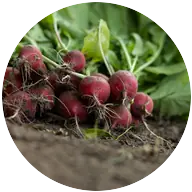 Radishes
 Spinach
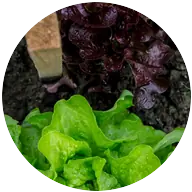 Lettuce
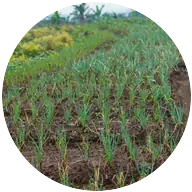 Onions
 Carrots
 Beets
Beets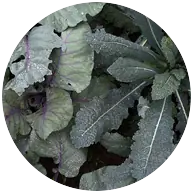 Kale
KalePlanting dates for honeyberries in nearby areas
- Wenatchee, WA Mar 20 – May 15
- Omak and Okanogan, WA Apr 1 – May 27
- Chelan, WA Mar 20 – May 15
- Leavenworth, WA Apr 1 – May 27
- Ellensburg, WA Apr 1 – May 27
- Spokane, WA Apr 1 – May 27
Full planting calendar for Winthrop and Twisp · Honeyberries in every city