 Rainline Garden

When to plant peas in Sequim, WA
Plant peas from seed, directly in the garden in Sequim, Mar 10 – Apr 21.
- Difficulty
- Easy
- Sun
- Full sun; tolerates light shade
- Spacing
- 2 inches apart along a trellis
- Planting depth
- 1 inch deep
- Frost
- Handles light frost
- First harvest
- About 65 days after planting
Why these dates
Sequim's typical last spring frost is April 21. As a cool-season crop that handles light frost, this crop can go in about 6 weeks before that.
West-side valleys. The Willamette Valley, Puget Sound and southern Oregon valleys. Long frost-free seasons, but soil stays cold and wet into May, so warm crops wait for warm soil, not just the last frost.
How to grow peas in Sequim
- Prepare the bed: loosen the soil and mix in an inch or two of compost.
- Plant seeds Mar 10 – Apr 21, 1 inch deep, 2 inches apart along a trellis.
- Keep the soil evenly moist until sprouts appear, which can take one to three weeks in cool soil.
- Harvest: Pick snap and snow peas when pods are plump but still crisp, every two or three days.
Key numbers
- 40°F+, faster near 60°FSoil to sprout
- 60–70°FBest days
- Above 80°FSlows down
- 6.0–7.5Soil pH
- Light frostSeedlings take
- Within hours of pickingSweetness fades
How it works
The plant biology behind the advice above, in plain language.
A crop built for cool weather
Peas sprout in soil as cool as 40°F, though they come up much faster as it warms toward 60°F, and they grow best when days are 60 to 70°F. Seedlings tolerate light frost. Production drops once temperatures regularly top about 80°F, which is why peas go in early, from February to April depending on where you live.
The biggest early risk isn't cold but wet. Seeds sitting in cold, waterlogged soil rot, so plant into soil that crumbles in your hand rather than forming a muddy ball.
Nitrogen from the air
Like beans, peas host rhizobia bacteria in root nodules that turn nitrogen from the air into fertilizer for the plant. They need little added nitrogen, and an inoculant helps in beds that haven't grown peas recently.
A common belief is that peas leave lots of nitrogen in the soil. In fact, most of it ends up in the seeds you harvest. Cutting the vines and leaving the roots in the ground adds organic matter, but only a modest amount of nitrogen.
Soil and water
Peas like well-drained soil with a pH of about 6.0 to 7.5. Keep the soil moist once flowering starts, since dry spells during bloom and pod fill cut yields. A trellis gives better airflow and easier picking, even for shorter varieties.
Diseases
Powdery mildew shows up as peas wind down in summer heat. Pea enation mosaic virus, spread by aphids, causes stunted, deformed plants and is a particular problem for later plantings in the Northwest. Early planting and resistant varieties like Oregon Sugar Pod II help with both.
Why fresh peas taste sweeter
Pea sugars start converting to starch as soon as the pods are picked, and the conversion is fastest when they're warm. That's why homegrown peas taste so much sweeter than store-bought ones. Pick in the cool morning, refrigerate right away, and eat or blanch and freeze them within a day or two.
Pick snap and snow peas when pods are plump but crisp, and shelling peas when the peas fill the pod but the pod is still bright green. Frequent picking keeps plants producing.
Common questions
When is the last frost in Sequim, WA?
Typically April 21. In 9 years out of 10, frost is over by May 7. These are 1991–2020 NOAA climate normals for Sequim.
Is it too late to plant peas in Sequim?
The spring planting window runs through April 21. Later plantings tend to struggle in summer heat.
How long until I can harvest peas?
About 65 days after planting. Pick snap and snow peas when pods are plump but still crisp, every two or three days.
How cold can peas handle?
Peas sprout in soil as cool as 40°F and seedlings tolerate light frost. Hard freezes can damage flowers and pods, so cover plants if a cold snap is forecast once they're blooming.
Do pea roots add nitrogen to the soil?
A little. Most of the nitrogen peas fix goes into the seeds you harvest. Leaving the roots in the ground adds organic matter and a modest amount of nitrogen, so it's still worth doing.
Why are my pea plants turning yellow from the bottom?
Late in the season, it's natural aging as summer heat arrives. Earlier, yellowing can mean waterlogged soil, root rot, or a lack of nitrogen-fixing nodules. Check the roots for pink nodules and make sure the soil drains.
Also plant in Sequim around the same time
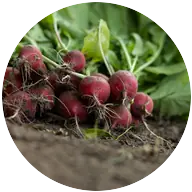 Radishes
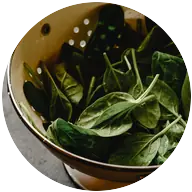 Spinach
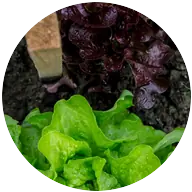 Lettuce
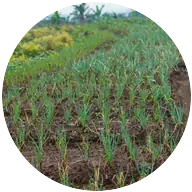 Onions
 Carrots
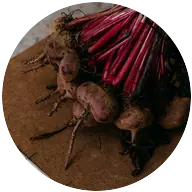 Beets
Beets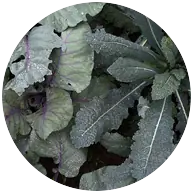 Kale
Kale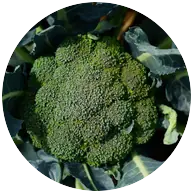 Broccoli
Planting dates for peas in nearby areas
- Aberdeen and Hoquiam, WA Mar 25 – May 6
- Forks, WA Mar 25 – May 6
- Port Angeles, WA Mar 1 – Apr 12
- Port Townsend, WA Mar 1 – Apr 12
- Long Beach and Ilwaco, WA Mar 25 – May 6
- Portland, OR Mar 1 – Apr 12