 Rainline Garden
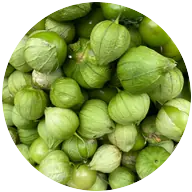
When to plant tomatillos in Vancouver, WA
Start tomatillos from seed indoors Mar 15–29, then plant the young plants in the garden in Vancouver May 10 – Jun 7.
- Difficulty
- Easy
- Sun
- Full sun
- Spacing
- 3 feet apart
- Planting depth
- Bury the stem up to the first leaves, like tomatoes
- Frost
- Killed by frost
- First harvest
- About 75 days after planting
Why these dates
Vancouver's typical last spring frost is March 29. Frost kills tomatillos, and warm-season crops also need warm soil. Soil here stays cold for weeks after the last frost, so planting waits until about May 10.
West-side valleys. The Willamette Valley, Puget Sound and southern Oregon valleys. Long frost-free seasons, but soil stays cold and wet into May, so warm crops wait for warm soil, not just the last frost.
How to grow tomatillos in Vancouver
- Start seeds indoors Mar 15–29 in trays or small pots under a grow light or in your sunniest window. Or skip this step and buy young plants (starts) at a garden center.
- Harden off the young plants: about a week before planting, set them outside for a few hours a day, a little longer each day.
- Plant them in the garden May 10 – Jun 7, 3 feet apart. Bury the stem up to the first leaves, like tomatoes.
- Water deeply once or twice a week rather than a little every day, and mulch once the soil is warm.
- Harvest: Pick when the fruit fills and starts to split its papery husk. Stored in their husks in the fridge, they keep for two weeks or more.
Key numbers
- 70–85°FSoil to sprout
- Nights above 50°FPlant out when
- At least 2Plants needed
- Fruit fills the huskRipe when
Growing notes
What makes the difference in Northwest gardens, in plain language.
Why you need two plants
Tomatillo flowers can't pollinate themselves, so pollen has to come from a different plant, carried by bees. A lone plant blooms happily but sets few or no fruit, leaving empty papery husks. Plant at least two, close enough for bees to visit both. Toma Verde, Grande Rio Verde and Purple all cross with each other.
Tomatillos handle cool Northwest summers better than tomatoes, setting fruit in weather that would stall a tomato.
Planting and support
Start seeds indoors six to eight weeks before your last frost, and plant out once nights stay above about 50°F. Like tomatoes, they root along buried stems, so plant deep. Plants grow wide and floppy, often 3 to 4 feet tall and across, so give them the full 3 feet of spacing and a large cage or sturdy stakes.
Average garden soil with some compost is enough. Too much nitrogen grows leaves at the expense of fruit.
Harvest and use
Pick when the fruit fills the husk and the husk starts to split or turn papery. Green types are best slightly underripe for tart salsa verde; purple ones turn deep purple and sweeter as they ripen.
Tomatillos keep two weeks or more in their husks in the fridge, and they freeze well whole after husking and rinsing. Fruit that drops and rots in the bed often leaves volunteer seedlings next spring, so clean up fallen fruit if you don't want them.
Common questions
When is the last frost in Vancouver, WA?
Typically March 29. In 9 years out of 10, frost is over by April 18. These are 1991–2020 NOAA climate normals for Vancouver Pearson Field.
Is it too late to plant tomatillos in Vancouver?
The spring planting window runs through June 7. Later plantings may not have time to produce before the first fall frost, which usually arrives around November 9.
When should I start tomatillos from seed indoors in Vancouver?
March 15 to March 29, which is 8 to 6 weeks before the May 10 planting date. Or buy young plants at a garden center instead.
Why are my tomatillo husks empty?
The flowers weren't pollinated, almost always because there's only one plant, or because bees were scarce. Grow at least two plants near each other and the husks should fill.
Why are tomatillos sticky inside the husk?
That's a natural coating on the fruit skin. It's harmless; just rinse it off under warm water after removing the husk.
Can you freeze tomatillos?
Yes. Remove the husks, rinse off the sticky coating, dry them and freeze whole on a tray before bagging. They soften when thawed, which is fine for salsa and sauces.
Also plant in Vancouver around the same time
 Carrots
 Beets
Beets Swiss chard
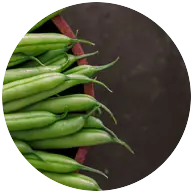 Bush beans
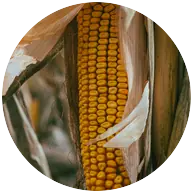 Sweet corn
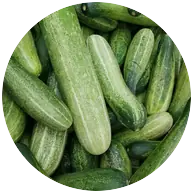 Cucumbers
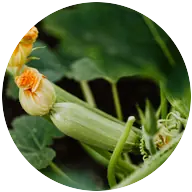 Zucchini and summer squash
 Winter squash and pumpkins
Planting dates for tomatillos in nearby areas
- Longview and Kelso, WA May 10 – Jun 7
- Centralia and Chehalis, WA May 10 – Jun 7
- Portland, OR May 10 – Jun 7
- Gresham, OR May 10 – Jun 7
- Wilsonville and Canby, OR May 10 – Jun 7
- Salem, OR May 10 – Jun 7
Full planting calendar for Vancouver · Tomatillos in every city