 Rainline Garden
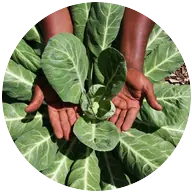
When to plant collards in Oregon and Washington
In Portland: Start collards from seed indoors Feb 1–15, then plant the young plants in the garden Mar 15 – Apr 26. For a fall harvest, plant again Aug 6–20. In Bend: May 12 – Jun 23. Find your city below.
- Difficulty
- Easy
- Sun
- Full sun to part shade
- Spacing
- 18 to 24 inches apart
- Planting depth
- Plant starts at the depth they grew in the pot
- Frost
- Handles light frost
- First harvest
- About 60 days after planting
Kale's broad-leaved cousin and one of the hardiest greens for Northwest winters. Frost makes the leaves sweeter, and plants keep producing from fall into spring west of the Cascades.
Collards planting dates
| City | Start seeds indoors | Plant in the garden | Plant again for fall |
|---|---|---|---|
| Portland, OR | Feb 1–15 | Mar 15 – Apr 26 | Aug 6–20 |
| Seattle and Tacoma, WA | Feb 1–15 | Mar 15 – Apr 26 | Aug 6–20 |
| Eugene, OR | Feb 1–15 | Mar 15 – Apr 26 | Aug 6–20 |
| Spokane, WA | Mar 4–18 | Apr 15 – May 27 | Aug 3–17 |
| Bend and Redmond, OR | Mar 31 – Apr 14 | May 12 – Jun 23 | — |
| Tri-Cities (Pasco, Kennewick, Richland), WA | Feb 18 – Mar 4 | Apr 1 – May 13 | Aug 2–16 |
Find your town
Portland area, OR 6 towns
| City | Start seeds indoors | Plant in the garden | Plant again for fall |
|---|---|---|---|
| Gresham, OR | Feb 1–15 | Mar 15 – Apr 26 | Aug 6–20 |
| Hillsboro and Beaverton, OR | Feb 5–19 | Mar 19 – Apr 30 | Aug 6–20 |
| Oregon City and West Linn, OR | Feb 1–15 | Mar 15 – Apr 26 | Aug 6–20 |
| Portland, OR | Feb 1–15 | Mar 15 – Apr 26 | Aug 6–20 |
| St. Helens and Scappoose, OR | Feb 1–15 | Mar 15 – Apr 26 | Aug 6–20 |
| Wilsonville and Canby, OR | Feb 1–15 | Mar 15 – Apr 26 | Aug 6–20 |
Willamette Valley, OR 5 towns
| City | Start seeds indoors | Plant in the garden | Plant again for fall |
|---|---|---|---|
| Corvallis and Albany, OR | Feb 1–15 | Mar 15 – Apr 26 | Aug 6–20 |
| Cottage Grove, OR | Feb 13–27 | Mar 27 – May 8 | Aug 6–20 |
| Eugene, OR | Feb 1–15 | Mar 15 – Apr 26 | Aug 6–20 |
| McMinnville and Newberg, OR | Feb 4–18 | Mar 18 – Apr 29 | Aug 6–20 |
| Salem, OR | Feb 1–15 | Mar 15 – Apr 26 | Aug 6–20 |
Southern Oregon, OR 4 towns
| City | Start seeds indoors | Plant in the garden | Plant again for fall |
|---|---|---|---|
| Ashland and Talent, OR | Feb 25 – Mar 11 | Apr 8 – May 20 | Jul 30 – Aug 13 |
| Grants Pass, OR | Feb 1–15 | Mar 15 – Apr 26 | Aug 6–20 |
| Medford, OR | Feb 1–15 | Mar 15 – Apr 26 | Aug 6–20 |
| Roseburg, OR | Feb 1–15 | Mar 15 – Apr 26 | Aug 6–20 |
Oregon Coast, OR 5 towns
| City | Start seeds indoors | Plant in the garden | Plant again for fall |
|---|---|---|---|
| Astoria, OR | Feb 18 – Mar 4 | Apr 1 – May 13 | Aug 6–20 |
| Brookings and Gold Beach, OR | Feb 18 – Mar 4 | Apr 1 – May 13 | Aug 6–20 |
| Coos Bay and North Bend, OR | Feb 18 – Mar 4 | Apr 1 – May 13 | Aug 6–20 |
| Newport and Lincoln City, OR | Feb 18 – Mar 4 | Apr 1 – May 13 | Aug 6–20 |
| Tillamook, OR | Feb 18 – Mar 4 | Apr 1 – May 13 | Aug 6–20 |
Central Oregon and the high desert, OR 6 towns
| City | Start seeds indoors | Plant in the garden | Plant again for fall |
|---|---|---|---|
| Bend and Redmond, OR | Mar 31 – Apr 14 | May 12 – Jun 23 | — |
| Burns, OR | Apr 2–16 | May 14 – Jun 25 | — |
| Klamath Falls, OR | Mar 31 – Apr 14 | May 12 – Jun 23 | Jul 10–24 |
| Lakeview, OR | Mar 26 – Apr 9 | May 7 – Jun 18 | Jul 9–23 |
| Madras, OR | Mar 10–24 | Apr 21 – Jun 2 | Jul 26 – Aug 9 |
| Prineville, OR | Mar 23 – Apr 6 | May 4 – Jun 15 | Jul 14–28 |
Columbia Gorge and eastern Oregon, OR 9 towns
| City | Start seeds indoors | Plant in the garden | Plant again for fall |
|---|---|---|---|
| Baker City, OR | Mar 16–30 | Apr 27 – Jun 8 | Jul 7–21 |
| Enterprise and Joseph, OR | Mar 15–29 | Apr 26 – Jun 7 | Jul 23 – Aug 6 |
| Hermiston, OR | Feb 18 – Mar 4 | Apr 1 – May 13 | Aug 1–15 |
| Hood River, OR | Feb 18 – Mar 4 | Apr 1 – May 13 | Aug 4–18 |
| John Day, OR | Mar 19 – Apr 2 | Apr 30 – Jun 11 | Jul 10–24 |
| La Grande, OR | Mar 4–18 | Apr 15 – May 27 | Jul 23 – Aug 6 |
| Ontario, OR | Feb 18 – Mar 4 | Apr 1 – May 13 | Aug 5–19 |
| Pendleton, OR | Feb 18 – Mar 4 | Apr 1 – May 13 | Aug 6–20 |
| The Dalles, OR | Feb 18 – Mar 4 | Apr 1 – May 13 | Aug 6–20 |
Seattle and Puget Sound, WA 6 towns
| City | Start seeds indoors | Plant in the garden | Plant again for fall |
|---|---|---|---|
| Bremerton and Port Orchard, WA | Feb 1–15 | Mar 15 – Apr 26 | Aug 6–20 |
| Everett, WA | Feb 1–15 | Mar 15 – Apr 26 | Aug 6–20 |
| Kent, Renton and Auburn, WA | Feb 1–15 | Mar 15 – Apr 26 | Aug 6–20 |
| Olympia, WA | Feb 18 – Mar 4 | Apr 1 – May 13 | Aug 5–19 |
| Seattle and Tacoma, WA | Feb 1–15 | Mar 15 – Apr 26 | Aug 6–20 |
| Shelton, WA | Feb 16 – Mar 2 | Mar 30 – May 11 | Aug 6–20 |
North Sound and the islands, WA 5 towns
| City | Start seeds indoors | Plant in the garden | Plant again for fall |
|---|---|---|---|
| Anacortes, WA | Feb 1–15 | Mar 15 – Apr 26 | Aug 6–20 |
| Bellingham, WA | Feb 1–15 | Mar 15 – Apr 26 | Aug 6–20 |
| Friday Harbor and the San Juans, WA | Feb 1–15 | Mar 15 – Apr 26 | Aug 6–20 |
| Mount Vernon and Burlington, WA | Feb 1–15 | Mar 15 – Apr 26 | Aug 6–20 |
| Oak Harbor and Whidbey Island, WA | Feb 1–15 | Mar 15 – Apr 26 | Aug 6–20 |
Olympic Peninsula and coast, WA 6 towns
| City | Start seeds indoors | Plant in the garden | Plant again for fall |
|---|---|---|---|
| Aberdeen and Hoquiam, WA | Feb 18 – Mar 4 | Apr 1 – May 13 | Aug 6–20 |
| Forks, WA | Feb 18 – Mar 4 | Apr 1 – May 13 | Aug 6–20 |
| Long Beach and Ilwaco, WA | Feb 18 – Mar 4 | Apr 1 – May 13 | Aug 6–20 |
| Port Angeles, WA | Feb 1–15 | Mar 15 – Apr 26 | Aug 6–20 |
| Port Townsend, WA | Feb 1–15 | Mar 15 – Apr 26 | Aug 6–20 |
| Sequim, WA | Feb 10–24 | Mar 24 – May 5 | Aug 6–20 |
Southwest Washington, WA 3 towns
| City | Start seeds indoors | Plant in the garden | Plant again for fall |
|---|---|---|---|
| Centralia and Chehalis, WA | Feb 11–25 | Mar 25 – May 6 | Aug 6–20 |
| Longview and Kelso, WA | Feb 1–15 | Mar 15 – Apr 26 | Aug 6–20 |
| Vancouver, WA | Feb 1–15 | Mar 15 – Apr 26 | Aug 6–20 |
Wenatchee and the Okanogan, WA 5 towns
| City | Start seeds indoors | Plant in the garden | Plant again for fall |
|---|---|---|---|
| Chelan, WA | Feb 18 – Mar 4 | Apr 1 – May 13 | Aug 6–20 |
| Leavenworth, WA | Mar 4–18 | Apr 15 – May 27 | Jul 22 – Aug 5 |
| Omak and Okanogan, WA | Mar 4–18 | Apr 15 – May 27 | Jul 29 – Aug 12 |
| Wenatchee, WA | Feb 18 – Mar 4 | Apr 1 – May 13 | Aug 6–20 |
| Winthrop and Twisp, WA | Mar 6–20 | Apr 17 – May 29 | Jul 14–28 |
Yakima Valley and Columbia Basin, WA 8 towns
| City | Start seeds indoors | Plant in the garden | Plant again for fall |
|---|---|---|---|
| Ellensburg, WA | Mar 4–18 | Apr 15 – May 27 | Jul 29 – Aug 12 |
| Ephrata and Quincy, WA | Feb 18 – Mar 4 | Apr 1 – May 13 | Aug 6–20 |
| Goldendale, WA | Mar 10–24 | Apr 21 – Jun 2 | Jul 17–31 |
| Moses Lake, WA | Feb 18 – Mar 4 | Apr 1 – May 13 | Jul 30 – Aug 13 |
| Sunnyside, Grandview and Prosser, WA | Feb 20 – Mar 6 | Apr 3 – May 15 | Jul 28 – Aug 11 |
| Tri-Cities (Pasco, Kennewick, Richland), WA | Feb 18 – Mar 4 | Apr 1 – May 13 | Aug 2–16 |
| Walla Walla, WA | Feb 18 – Mar 4 | Apr 1 – May 13 | Aug 6–20 |
| Yakima, WA | Feb 27 – Mar 13 | Apr 10 – May 22 | Jul 26 – Aug 9 |
Spokane and eastern Washington, WA 3 towns
| City | Start seeds indoors | Plant in the garden | Plant again for fall |
|---|---|---|---|
| Colville, WA | Mar 4–18 | Apr 15 – May 27 | Jul 24 – Aug 7 |
| Pullman, WA | Mar 4–18 | Apr 15 – May 27 | Jul 24 – Aug 7 |
| Spokane, WA | Mar 4–18 | Apr 15 – May 27 | Aug 3–17 |
How to grow collards
- Start seeds indoors on your city's dates in trays or small pots under a grow light or in your sunniest window. Or skip this step and buy young plants (starts) at a garden center.
- Harden off the young plants: about a week before planting, set them outside for a few hours a day, a little longer each day.
- Plant them in the garden on your city's dates, 18 to 24 inches apart. Plant starts at the depth they grew in the pot.
- Water deeply once or twice a week rather than a little every day, and mulch once the soil is warm.
- Plant again on your city's dates for a fall harvest.
- Harvest: Pick the lower leaves when they're about the size of your hand, and let the top keep growing. Leaves picked after a frost taste sweetest.
Popular collards varieties
Widely sold picks that do well somewhere in Oregon or Washington. The tag says which side of the mountains suits each one best.
Champion
An improved Vates collard with dark blue-green leaves on compact plants. It is very cold-hardy and slow to bolt, so it keeps producing from fall well into spring.
Both sides
Georgia Southern
The classic Southern collard: tall plants with big, smooth, blue-green leaves. It handles both summer heat and hard frost, and the flavor sweetens after cold weather.
Both sides
Vates
A short, sturdy collard with broad, slightly crinkled leaves. Long a favorite for overwintering, it stands up to cold, wind and rain.
Both sides
Flash
A fast hybrid with smooth, dark leaves and good bolt resistance. A dependable pick for spring plantings, when other collards may bolt early.
Both sides
Key numbers
- 6.0–7.5Soil pH
- 18–24 inchesSpacing
- Down to about 10°FCold hardiness
- Cabbage wormsBiggest risk
Growing notes
What makes the difference in Northwest gardens, in plain language.
Why collards suit Northwest winters
Collards are a loose-leaf member of the cabbage family, very close to kale. They're tougher than most of their cousins: established plants usually ride out freezes into the low teens, and cold weather turns some of the starch in the leaves to sugar, which is why winter collards taste milder and sweeter than summer ones.
West of the Cascades, a planting set out in midsummer gives leaves from fall right through to spring. East of the Cascades, hard winters can kill them, but fall harvests are still excellent.
Soil, feeding and picking
Like all leafy cabbage-family crops, collards want rich soil with plenty of nitrogen and a pH of about 6.0 to 7.5. Mix in compost before planting and side-dress with a balanced fertilizer a month later. Keep the soil evenly moist; stressed plants get tough, bitter leaves.
Pick from the bottom up, taking two or three leaves per plant at a time and leaving the growing tip alone. A well-fed plant keeps making new leaves for months.
Keeping pests off
The white cabbage butterfly lays eggs on the leaves, and the green caterpillars that hatch chew big holes. Aphids cluster under leaves in late summer. Insect netting or row cover laid over hoops from planting day is the simplest fix. Hand-pick any caterpillars you find, and knock aphids off with a strong spray of water.
Don't grow collards in the same spot as kale, cabbage or broccoli two years running. That breaks the cycle of clubroot and other soil diseases the family shares.
Common questions about growing collards
What's the difference between collards and kale?
They're the same species with different leaves. Collards have broad, flat, smooth leaves; most kales are curly or crinkled. Collards are a bit more heat-tolerant and slightly milder.
When do collards taste best?
After a few frosts. Cold makes the plant store sugar in its leaves, so fall and winter collards are noticeably sweeter.
Can I grow collards in summer?
Yes, they handle heat better than most cabbage-family greens. In hot eastern valleys, give them afternoon shade and steady water.
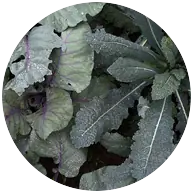 Kale
Kale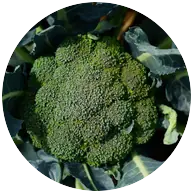 Broccoli
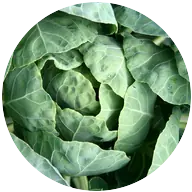 Cabbage
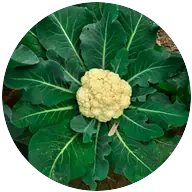 Cauliflower
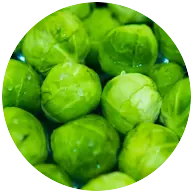 Brussels sprouts
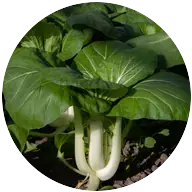 Bok choy
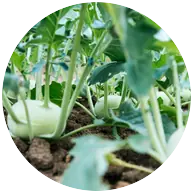 Kohlrabi