 Rainline Garden
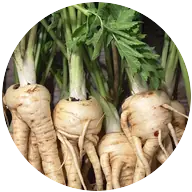
When to plant parsnips in John Day, OR
Plant parsnips from seed, directly in the garden in John Day, Apr 30 – Jun 11.
- Difficulty
- Moderate
- Sun
- Full sun
- Spacing
- Thin to 3 to 4 inches apart
- Planting depth
- ½ inch deep
- Frost
- Handles light frost
- First harvest
- About 120 days after planting
Why these dates
John Day's typical last spring frost is May 28. As a cool-season crop that handles light frost, this crop can go in about 4 weeks before that.
High desert and mountains. Central and high eastern Oregon. Frost is possible almost any month. Use row covers, wall-o-water or cloches for warm crops, and choose short-season varieties.
How to grow parsnips in John Day
- Prepare the bed: loosen the soil and mix in an inch or two of compost.
- Plant seeds Apr 30 – Jun 11, ½ inch deep, Thin to 3 to 4 inches apart.
- Keep the soil evenly moist until sprouts appear, which can take one to three weeks in cool soil.
- Harvest: Dig roots from late fall through winter, after a few frosts have sweetened them. West of the Cascades they can stay in the ground until early spring.
Key numbers
- 14–28Days to sprout
- 110–130Days to harvest
- About 1 yearSeed life
- Poor sproutingBiggest risk
Growing notes
What makes the difference in Northwest gardens, in plain language.
Getting parsnips to sprout
Most parsnip failures happen before the seedlings appear. The seed is short-lived, so buy fresh seed every year. It takes two to four weeks to sprout in cool spring soil, and the bed has to stay moist the whole time. A light board or burlap laid over the row, lifted as soon as you see green, helps keep the surface from crusting.
Sow a few radish seeds in the same row. They come up fast, mark where the row is and break the crust for the slower parsnips.
Soil for long roots
Parsnips grow a root 8 to 12 inches long, so they need deep, loose soil with no rocks or lumps of fresh manure, which cause forked roots. Raised beds or deeply dug soil work best in heavy Northwest clay. They're not heavy feeders; well-rotted compost dug in before sowing is enough.
Frost, sweetness and winter storage
Parsnips are a long-season crop meant to be dug after cold weather arrives. A few frosts turn their stored starch into sugar, and the roots get much sweeter. West of the Cascades, just leave them in the ground and dig as needed through winter. East of the Cascades, mulch the row heavily with straw so the ground doesn't freeze solid, or dig and store them in a cold, humid fridge drawer.
Wear gloves and long sleeves when handling the leaves on sunny days: the sap can make skin blister when it's exposed to sunlight.
Common questions
When is the last frost in John Day, OR?
Typically May 28. In 9 years out of 10, frost is over by June 15. These are 1991–2020 NOAA climate normals for John Day.
Is it too late to plant parsnips in John Day?
The spring planting window runs through June 11. Later plantings tend to struggle in summer heat.
How long until I can harvest parsnips?
About 120 days after planting. Dig roots from late fall through winter, after a few frosts have sweetened them. West of the Cascades they can stay in the ground until early spring.
Why didn't my parsnips come up?
Usually old seed or a seedbed that dried out during the long sprouting time. Use seed packed for this year and keep the surface moist for up to four weeks.
When should I dig parsnips?
From late fall onward, after a few frosts. In mild west-side gardens they can stay in the ground until early spring, when they start to regrow.
Why are my parsnips forked?
Rocks, hard soil or fresh manure in the bed. Loosen the soil deeply and use only well-aged compost.
Also plant in John Day around the same time
 Peas
Peas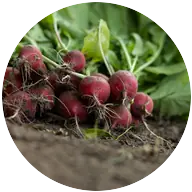 Radishes
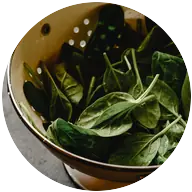 Spinach
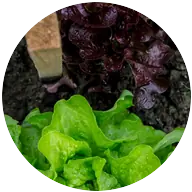 Lettuce
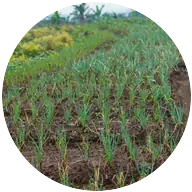 Onions
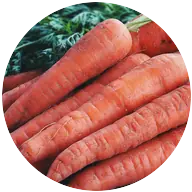 Carrots
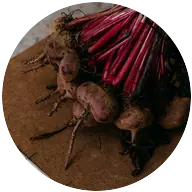 Beets
Beets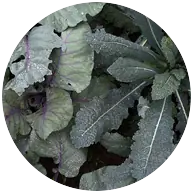 Kale
KalePlanting dates for parsnips in nearby areas
- Baker City, OR Apr 27 – Jun 8
- Pendleton, OR Apr 1 – May 13
- The Dalles, OR Apr 1 – May 13
- Hood River, OR Apr 1 – May 13
- Hermiston, OR Apr 1 – May 13
- Ontario, OR Apr 1 – May 13
Full planting calendar for John Day · Parsnips in every city